The eyes are often one of the first areas of the face to show visible signs of aging. Hooded upper eyelids, loose skin, and under-eye bags can create a tired or heavy appearance, even when you feel well-rested.
For patients considering eyelid surgery in Indianapolis, one of the most common questions is: Do I need upper blepharoplasty, lower blepharoplasty, or both?
At SHarper Plastic Surgery in Indianapolis, board-certified plastic surgeon Dr. Stanley Harper offers upper and lower blepharoplasty to address different concerns around the eyes. Understanding the differences can help you determine which procedure may best align with your anatomy and aesthetic goals.
What Is the Difference Between Upper and Lower Blepharoplasty?
Blepharoplasty, commonly called eyelid surgery, is a surgical procedure designed to address excess skin, protruding fat, and other age-related changes around the eyelids.
The primary difference between upper and lower blepharoplasty is the area being treated.
Although both procedures involve the eyelids, they address different anatomical concerns and may be performed individually or together.
Which Eyelid Surgery Is Best for Hooded Eyes?
If your upper eyelids appear heavy, droopy, or hooded, upper blepharoplasty may be an appropriate option.
As we age, the skin around our eyes naturally loses elasticity. Excess skin can accumulate along the upper eyelids, sometimes covering the natural eyelid crease or resting near the eyelashes.
Upper blepharoplasty may help address:
During upper blepharoplasty, the surgeon removes carefully selected excess skin and, when appropriate, adjusts underlying tissue or fat.
The goal is to create a more open, refreshed appearance while preserving the natural shape and character of your eyes.
Important: Not all hooded eyes are caused by excess eyelid skin. A low brow position or drooping eyelid margin can contribute to a similar appearance. A surgical consultation is necessary to determine the underlying cause and whether upper blepharoplasty is the appropriate treatment.
What Is the Best Surgery for Under-Eye Bags?
If your primary concern is puffiness or bags beneath your eyes, lower blepharoplasty may be the more appropriate procedure.
Under-eye bags can develop when fat surrounding the eyes becomes more prominent as supporting tissues change with age. Genetics can also play a significant role, meaning some patients notice under-eye bags at a relatively young age.
Lower blepharoplasty may help address:
Depending on your anatomy, lower blepharoplasty may involve removing or repositioning fat and addressing excess skin.
The goal is to create a smoother transition beneath the eyes without dramatically changing your natural appearance.
Will Lower Blepharoplasty Fix Dark Circles?
Not necessarily.
Dark circles can develop for several reasons, including pigmentation, thin skin, visible blood vessels, facial anatomy, and shadows created by under-eye bags.
Lower blepharoplasty may improve shadows associated with prominent fat pockets, but it does not directly correct every cause of under-eye darkness.
An experienced plastic surgeon can evaluate whether surgery is likely to improve your particular concern or whether another approach may be more appropriate.
Can Upper and Lower Blepharoplasty Be Performed Together?
Yes. Upper and lower blepharoplasty can often be performed during the same surgery when a patient has concerns involving both the upper and lower eyelids.
For example, someone may have excess upper eyelid skin that creates a hooded appearance along with prominent bags beneath the eyes.
Treating both areas may provide a more balanced result.
Potential advantages of combining procedures include:
However, not everyone needs both procedures.
At SHarper Plastic Surgery, Dr. Harper evaluates each patient's anatomy, concerns, and surgical goals to determine whether upper blepharoplasty, lower blepharoplasty, or a combination may be appropriate.
What Is Recovery Like After Upper vs. Lower Blepharoplasty?
Recovery varies depending on the procedure, surgical technique, and individual healing process.
Most patients should expect some swelling, bruising, and temporary discomfort around the eyes during the initial recovery period.
Upper Blepharoplasty Recovery
Following upper eyelid surgery, patients may experience swelling, bruising, and mild tightness around the upper eyelids.
Many patients feel comfortable returning to nonstrenuous daily activities within approximately 7–14 days, although visible swelling and bruising can vary.
Lower Blepharoplasty Recovery
Lower eyelid surgery can involve swelling and bruising beneath the eyes, with recovery depending partly on whether fat repositioning or skin adjustments were performed.
Many patients resume routine activities within approximately 1–2 weeks, but residual swelling can take longer to resolve.
Eyelid Surgery Recovery at a Glance
Recovery ConsiderationUpper BlepharoplastyLower BlepharoplastyPrimary treatment areaUpper eyelidsLower eyelidsCommon early symptomsSwelling, bruising, tightnessSwelling, bruising, tightnessTypical return to nonstrenuous activitiesApproximately 7–14 daysApproximately 1–2 weeksFinal resultsDevelop as swelling resolves and incisions matureDevelop as swelling resolves and tissues settleScarringUsually concealed within the natural upper eyelid creasePlacement depends on technique; may be beneath the lashes or inside the eyelid
These are general estimates, not guaranteed recovery timelines. Dr. Harper will provide postoperative instructions based on your individual procedure.
Will Blepharoplasty Look Natural?
One of the biggest concerns patients have about eyelid surgery is whether their eyes will look noticeably different afterward.
The goal of a well-planned blepharoplasty is generally not to change your identity or create an entirely new eye shape. Instead, the procedure aims to address specific concerns while maintaining the natural characteristics of your face.
Factors that contribute to a natural-looking result include:
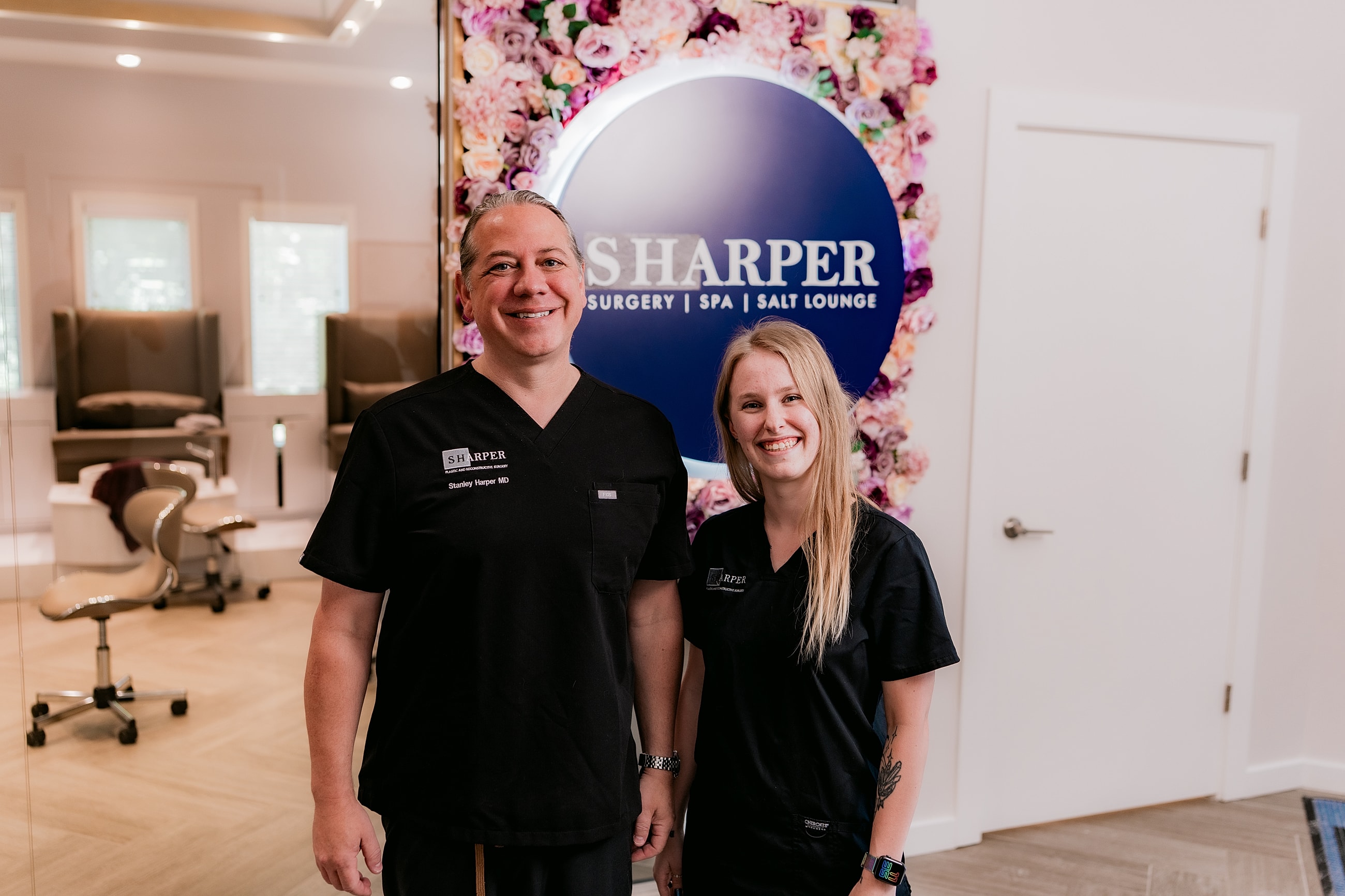
Dr. Stanley Harper brings nearly two decades of cosmetic and reconstructive surgical experience to SHarper Plastic Surgery. His approach emphasizes individualized surgical planning and results that complement each patient's natural features.
As with any surgery, results vary, and potential risks include asymmetry, scarring, dry eyes, and changes in eyelid position. A consultation is important for discussing realistic outcomes and possible complications.
Am I a Good Candidate for Eyelid Surgery?
You may be a candidate for upper or lower blepharoplasty if you are bothered by excess eyelid skin, persistent under-eye bags, or age-related changes around your eyes.
Good candidates are generally individuals who:
There is no single ideal age for blepharoplasty. While many patients pursue eyelid surgery as part of facial aging, others consider it earlier because of hereditary eyelid characteristics.
Certain medical conditions, eye disorders, or medications may affect candidacy and should be discussed during your consultation.
Why Choose Dr. Stanley Harper for Eyelid Surgery in Indianapolis?
Choosing an experienced, appropriately qualified surgeon is an important part of planning eyelid surgery.
Dr. Stanley Harper is a board-certified plastic surgeon with nearly two decades of experience in cosmetic and reconstructive surgery. He has been recognized as a Castle Connolly Top Doctor in both 2025 and 2026.
At SHarper Plastic Surgery, patients receive an individualized evaluation to determine which surgical approach may best address their concerns.
Rather than recommending the same procedure for every patient, Dr. Harper considers factors such as eyelid anatomy, skin elasticity, underlying tissue, and personal aesthetic goals.
Whether you are interested in correcting hooded upper eyelids, reducing under-eye bags, or exploring a combination of procedures, the first step is understanding what is causing your concerns.
Frequently Asked Questions About Eyelid Surgery
Does upper blepharoplasty get rid of hooded eyes?
Upper blepharoplasty can improve hooded eyelids when excess upper eyelid skin is the primary cause. If the hooding is related to brow position or true eyelid drooping, a different or additional procedure may be needed.
Does lower blepharoplasty permanently remove eye bags?
Lower blepharoplasty can provide long-lasting improvement in under-eye bags caused by protruding fat. However, the natural aging process continues, and results vary by individual.
Can I get upper and lower eyelid surgery at the same time?
Yes. Many patients can undergo upper and lower blepharoplasty during the same operation. Your surgeon will determine whether combining the procedures is appropriate based on your health and anatomy.
How long does it take to look normal after blepharoplasty?
Many patients experience noticeable improvement in bruising and swelling within the first two weeks. However, healing continues beyond that period, and subtle swelling or scar maturation may take several months.
Will I have visible scars after eyelid surgery?
Upper blepharoplasty incisions are commonly placed within the natural eyelid crease. Lower blepharoplasty incisions may be placed just beneath the lower eyelashes or inside the lower eyelid, depending on the technique. Scars generally become less noticeable as healing progresses, but no surgical incision is guaranteed to be invisible.
Schedule an Eyelid Surgery Consultation in Indianapolis
If you've been researching upper vs. lower blepharoplasty in Indianapolis, the best way to determine which procedure may be appropriate is through a personalized consultation.
At SHarper Plastic Surgery, Dr. Stanley Harper helps patients understand their surgical options, expected recovery, and potential outcomes based on their individual anatomy and goals.
Whether you're concerned about hooded eyelids, persistent under-eye bags, or both, our team is here to help you make an informed decision.
Ready to explore your eyelid surgery options?
Schedule a consultation with Dr. Stanley Harper at SHarper Plastic Surgery in Indianapolis.
Interested in learning more? Read our Eyelid Surgery Questions Answered article for additional information about blepharoplasty.