Published
11 minute read
By SHarper Plastic Surgery | Featuring Dr. Stanley Harper, Board-Certified Plastic Surgeon in Indianapolis, Indiana
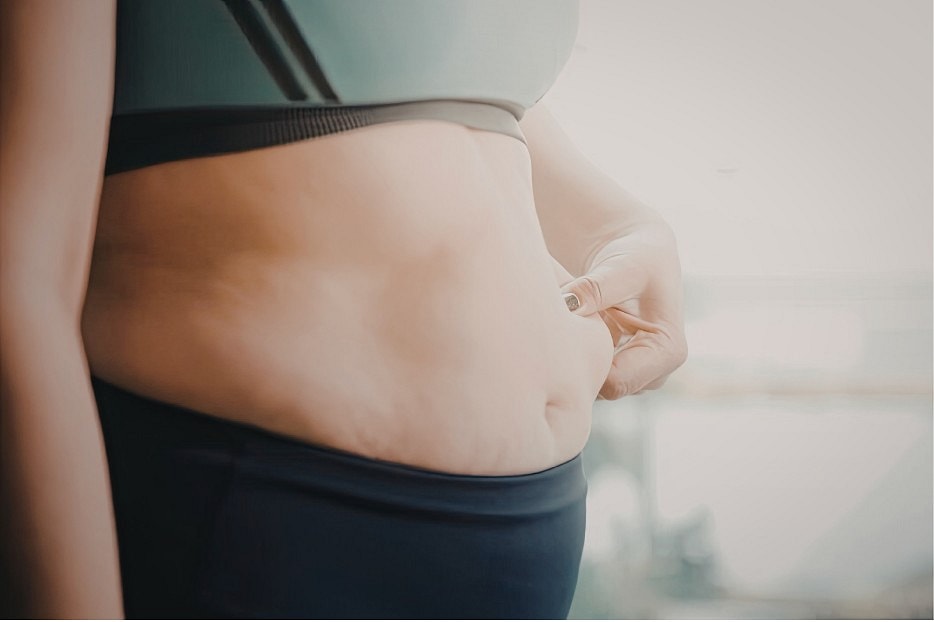
You've lost weight, made healthier lifestyle choices, stayed consistent with exercise, and reached a weight you're comfortable with. Yet, no matter what you do, that lower belly pooch doesn't seem to go away.
It's a frustrating experience for many people, especially after pregnancy, significant weight loss, or weight loss with GLP-1 medications.
A persistent lower belly pooch after weight loss may be caused by loose abdominal skin, separated abdominal muscles, stubborn fat deposits, or a combination of these factors. Depending on the underlying cause, additional weight loss and exercise may not resolve it.
At SHarper Plastic Surgery in Indianapolis, board-certified plastic surgeon Dr. Stanley Harper helps patients understand what's contributing to their abdominal shape and whether surgical body contouring may be an appropriate next step.
Weight loss reduces body fat, but it doesn't necessarily reverse all the physical changes that occurred when your body was at a higher weight or during pregnancy.
There are several reasons why your lower abdomen may continue to protrude, even when you're at a healthy weight.
When you gain weight or experience pregnancy, your skin stretches to accommodate changes in your body. After losing weight, your skin may not have enough elasticity to return to its previous shape.
This can leave behind:
Your age, genetics, skin quality, weight history, and the amount of weight lost can all influence how much your skin contracts.
Although healthy lifestyle habits support overall skin health, they cannot reliably eliminate significant excess abdominal skin.
One of the more overlooked causes of a persistent belly pooch is diastasis recti.
Diastasis recti occurs when the connective tissue between the left and right abdominal muscles becomes stretched, allowing the muscles to move farther apart.
It is particularly common following pregnancy, but it can also occur in people who have never been pregnant.
Potential signs of diastasis recti include:
Targeted physical therapy and appropriate core exercises can help improve abdominal function and may reduce separation in some patients. However, persistent or significant abdominal wall laxity may require further evaluation.
During a tummy tuck, Dr. Harper can tighten the stretched connective tissue of the abdominal wall when appropriate, addressing a structural concern that fat removal alone cannot correct.
Not all areas of the body lose fat at the same rate. Genetics, hormones, age, and individual fat distribution can influence where your body retains fat.
Subcutaneous fat is the fat located directly beneath the skin. Even after reaching a stable weight, some people continue to have localized pockets of fat in their lower abdomen.
When skin elasticity is good and abdominal wall laxity is not a concern, liposuction may be an appropriate option for addressing these localized fat deposits.
However, if excess skin is also present, liposuction alone may not produce the desired result.
Another potential contributor to abdominal fullness is visceral fat, which is located deeper within the abdomen around the internal organs.
Unlike subcutaneous fat, visceral fat cannot be removed through liposuction or a tummy tuck.
Managing visceral fat generally requires lifestyle changes and, when appropriate, medical weight management.
This distinction is important because not every protruding abdomen can be corrected through plastic surgery. Understanding what is causing the fullness helps establish realistic expectations for surgical results.
While the appearance and texture of your abdomen may provide clues, it can be difficult to determine the underlying cause without a professional examination.
| Potential causeCommon characteristicsPotential treatment | ||
| Loose skin | Thin, wrinkled, hanging or folding skin | Tummy tuck |
| Subcutaneous fat | Soft, fuller tissue beneath the skin | Liposuction or other appropriate fat-reduction options |
| Diastasis recti | Abdominal protrusion or doming during certain movements | Physical therapy or surgical abdominal wall repair |
| Visceral fat | Deeper, more generalized abdominal fullness | Lifestyle changes and medical weight management |
Many patients have more than one contributing factor.
For example, someone who has lost a significant amount of weight after pregnancy may have excess skin, residual fat, and abdominal muscle separation.
A consultation with a board-certified plastic surgeon can help determine which factors are contributing to your abdominal shape and which treatments may be appropriate.
Medications such as semaglutide and tirzepatide have helped many people achieve significant weight loss. However, losing fat does not automatically eliminate excess skin or correct changes in the abdominal wall.
As abdominal fat decreases, loose skin that was previously less noticeable may become more apparent.
Patients who have experienced significant weight loss with GLP-1 medications may notice:
These changes are not necessarily a sign that you need to lose more weight. They may simply reflect how your skin and underlying tissues have responded to weight loss.
For appropriate candidates, a tummy tuck after GLP-1 weight loss can address excess skin and improve abdominal contour.
Before proceeding with surgery, it's important to establish a relatively stable weight, maintain adequate nutrition, and discuss your medications and overall health with your surgical team.
The answer depends on what's causing it.
Exercise can strengthen your core, improve muscle tone, support weight management, and contribute to better overall health.
However, exercise cannot selectively burn fat from the lower abdomen, remove significant excess skin, or reliably correct every case of abdominal muscle separation.
If your lower belly pooch is caused primarily by loose skin or persistent structural changes following pregnancy or weight loss, doing more abdominal exercises may not create the result you're looking for.
That doesn't mean your workouts aren't effective. It simply means that some anatomical changes require a different approach.
A tummy tuck and liposuction address different concerns, although they can sometimes be performed together.
Liposuction removes localized deposits of fat beneath the skin. It may be appropriate for patients who have:
Liposuction does not remove loose skin or repair separated abdominal muscles.
A tummy tuck, medically known as abdominoplasty, addresses excess abdominal skin and can tighten the abdominal wall when necessary.
It may be more appropriate for patients experiencing:
In some cases, Dr. Stanley Harper may recommend combining a tummy tuck with liposuction to address both excess skin and localized fat while improving the overall contour of the abdomen and waist.
The best procedure depends on your anatomy, skin quality, medical history, and desired results.
If your primary concern is a small lower belly pooch, you may wonder whether a mini tummy tuck is all you need.
At SHarper Plastic Surgery, Dr. Harper offers both standard and mini tummy tuck procedures.
A mini tummy tuck primarily addresses the area beneath the belly button. It may be suitable for patients with a limited amount of excess lower abdominal skin and minimal abdominal wall laxity.
This procedure generally involves a shorter incision and less extensive skin removal than a full tummy tuck.
A full tummy tuck addresses a larger portion of the abdomen, including areas above and below the belly button.
It may be more appropriate for patients who have significant loose skin, more extensive muscle separation, or abdominal changes following pregnancy or substantial weight loss.
Although your concern may appear to be limited to the lower stomach, the underlying abdominal wall changes may extend higher.
The size of the pooch alone does not determine which procedure is necessary.
A C-section shelf is a term used to describe the fold or overhang that can develop above a cesarean delivery scar.
It may be caused by a combination of excess skin, localized fat, scar tissue tethering, and other post-pregnancy abdominal changes.
If the underlying concern is excess skin or tissue above the scar, a tummy tuck may help improve the abdominal contour.
Depending on the location of the original C-section scar and the surgical plan, the existing scar may also be removed with the excess skin. A tummy tuck will, however, create its own surgical scar.
Patients experiencing discomfort or other symptoms around their C-section scar should have those concerns medically evaluated.
Generally, it is best to pursue a tummy tuck once you are at or near a sustainable goal weight and your weight has remained stable for several months.
Continuing to lose a significant amount of weight after surgery may result in additional loose skin. Similarly, significant weight gain or a future pregnancy may affect surgical results.
During your consultation, Dr. Harper will consider:
There is no universal timeline that applies to every patient. Surgical readiness should be determined through an individualized medical evaluation.
Yes. For patients who have experienced changes to both their abdomen and breasts following pregnancy or weight loss, a tummy tuck may be performed as part of a mommy makeover.
A mommy makeover is a customized combination of procedures that may include:
Despite its name, a mommy makeover is not exclusively for women who have had children. Patients who have experienced substantial weight loss may have similar concerns involving excess abdominal skin and changes in breast volume or shape.
Whether procedures can safely be combined depends on the patient's health, the extent of surgery, and other individual considerations.
Choosing the right plastic surgeon is an important part of achieving a result that aligns with your anatomy and goals.
Dr. Stanley Harper is a board-certified plastic surgeon at SHarper Plastic Surgery with nearly two decades of experience in aesthetic plastic surgery and body contouring.
His credentials include:
Dr. Harper specializes in procedures including tummy tucks, liposuction, breast surgery, and mommy makeovers.
At SHarper Plastic Surgery, surgical recommendations are personalized. Rather than focusing exclusively on removing fat or excess skin, Dr. Harper considers the relationship between the abdominal wall, skin quality, natural proportions, and your individual goals.
Reaching your weight loss goals is an accomplishment. If you are considering addressing excess abdominal skin or changes in your abdominal shape, body contouring may be an option worth exploring.
Whether your lower belly pooch developed after pregnancy, GLP-1 weight loss, bariatric surgery, or other weight changes, understanding its underlying cause is the first step toward identifying the right treatment.
SHarper Plastic Surgery serves patients throughout Indianapolis, Avon, Fishers, Carmel, Zionsville, Brownsburg, and surrounding Central Indiana communities.
Schedule a personalized tummy tuck consultation with board-certified plastic surgeon Dr. Stanley Harper to learn more about your options.
Visit sharpersurgery.com or call (317) 399-4567 to get started.
Individual results vary. Plastic surgery involves risks, including bleeding, infection, scarring, fluid accumulation, blood clots, and healing complications. Surgical candidacy is determined through an individualized medical evaluation.
A lower belly pooch is not always related to excess body weight. Genetics, fat distribution, loose skin, abdominal wall laxity, and previous pregnancies can all influence your abdominal shape. Some degree of lower abdominal fullness is also a normal anatomical variation.
Not necessarily. If the concern is primarily loose skin or abdominal muscle separation, additional weight loss may not help. Further weight loss can sometimes make excess skin more noticeable.
Some skin contraction may occur over time, depending on your age, genetics, and skin elasticity. However, significant excess skin following pregnancy or major weight loss is unlikely to disappear completely on its own.
Yes. Although diastasis recti is commonly associated with pregnancy, it can also occur in men and women who have never been pregnant.
In some cases, lifestyle changes, physical therapy, or nonsurgical body contouring treatments may help. These options are generally more limited when significant excess skin or abdominal wall laxity is present.
A tummy tuck may remove some stretch marks if they are located on the excess skin being removed. However, it does not eliminate all stretch marks.
A tummy tuck can improve abdominal contour, but results depend on your anatomy, skin quality, fat distribution, healing, and other individual factors. A completely flat stomach cannot be guaranteed.
No. A tummy tuck is a body contouring procedure intended to address excess skin, abdominal wall laxity, and certain contour concerns. It is not a substitute for weight loss or healthy lifestyle habits.